Future Tech
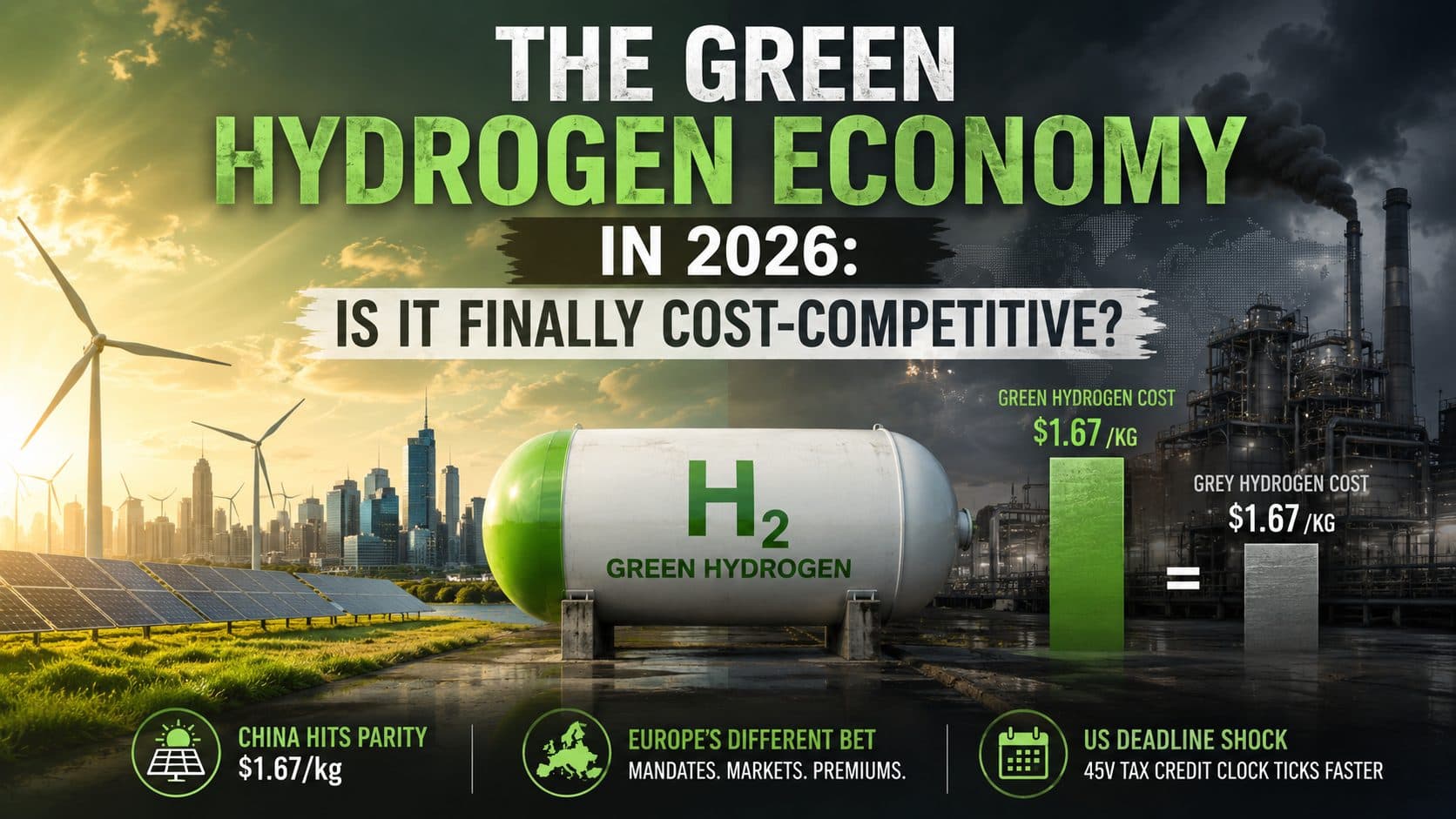
Is Green Hydrogen Finally Cost-Competitive in 2026?
A Chinese producer has matched the price of coal-based hydrogen, but almost everywhere else the gap is still measured in multiples, and the main US subsidy just lost five years.
Every GetCoreTech article in one place, newest first. Browse the full archive across all six categories.
A Chinese producer has matched the price of coal-based hydrogen, but almost everywhere else the gap is still measured in multiples, and the main US subsidy just lost five years.
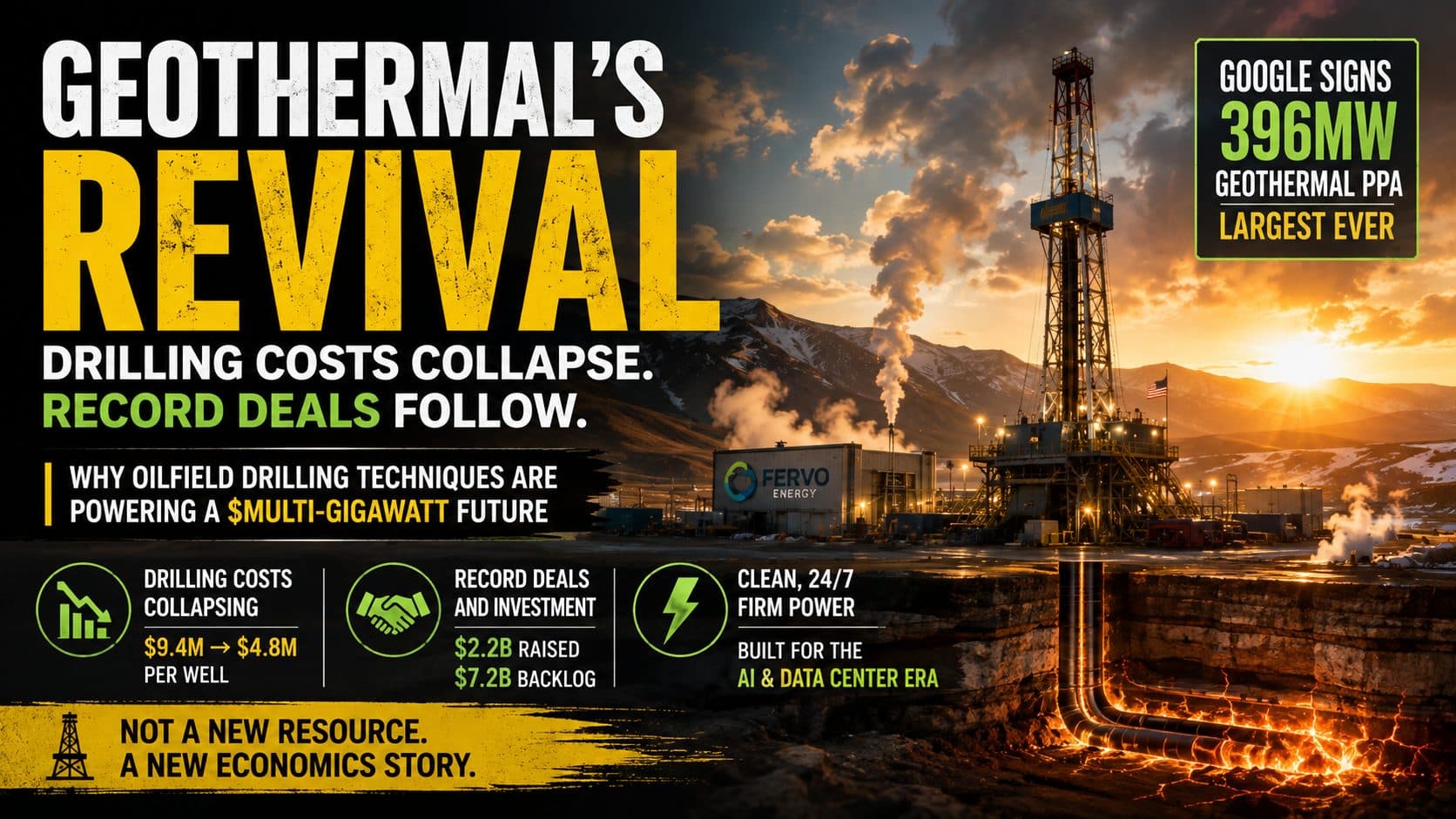
The heat under Utah was always there. What changed is that oilfield drilling techniques cut well costs fast enough for Google to sign the largest enhanced-geothermal deal ever, while a design that skipped them struggles.
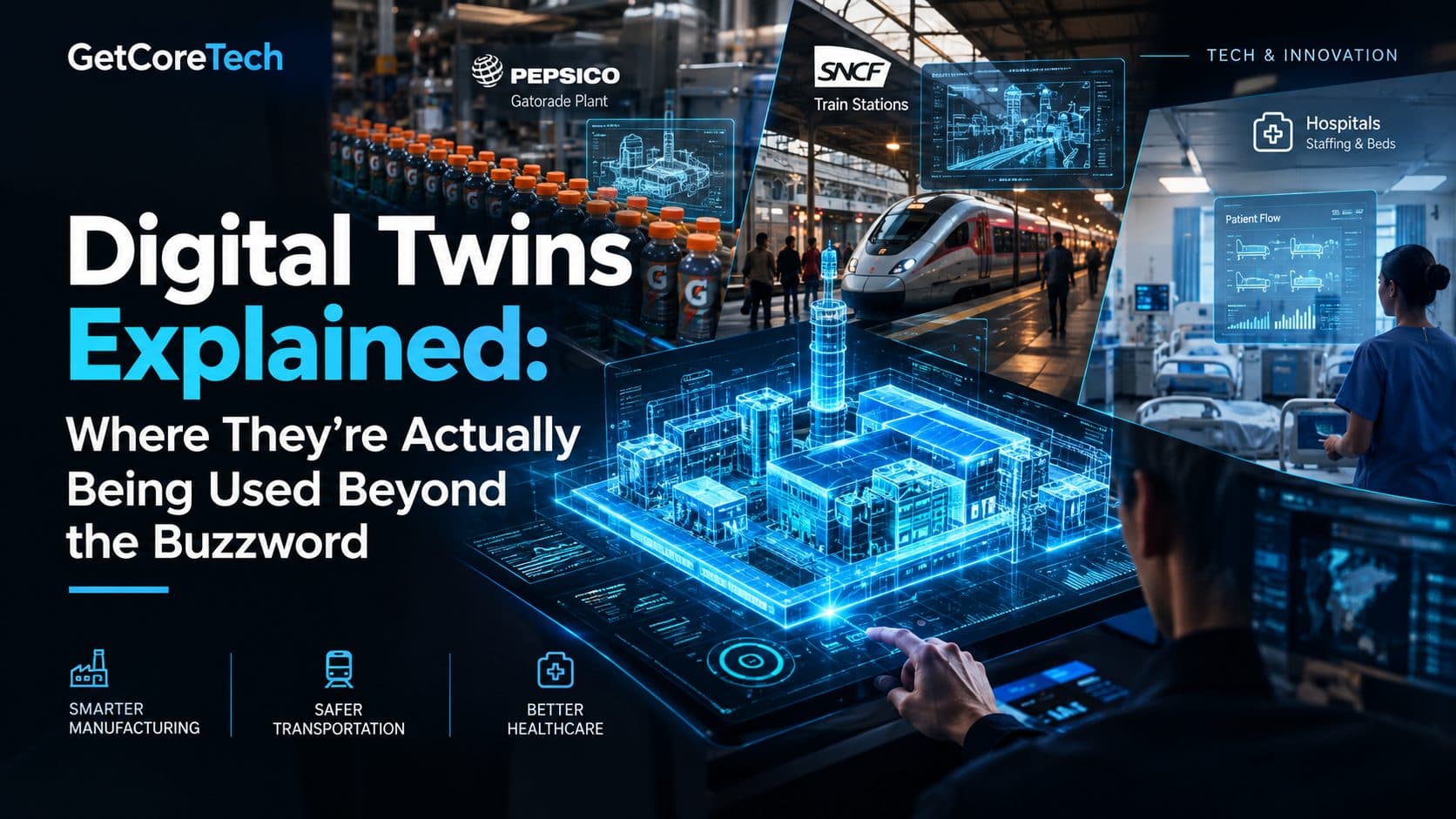
Digital twins are running inside a Gatorade plant, a French train station, and hospital scheduling offices. None of it looks like the virtual-city pitch, and the risks rarely make the case study.
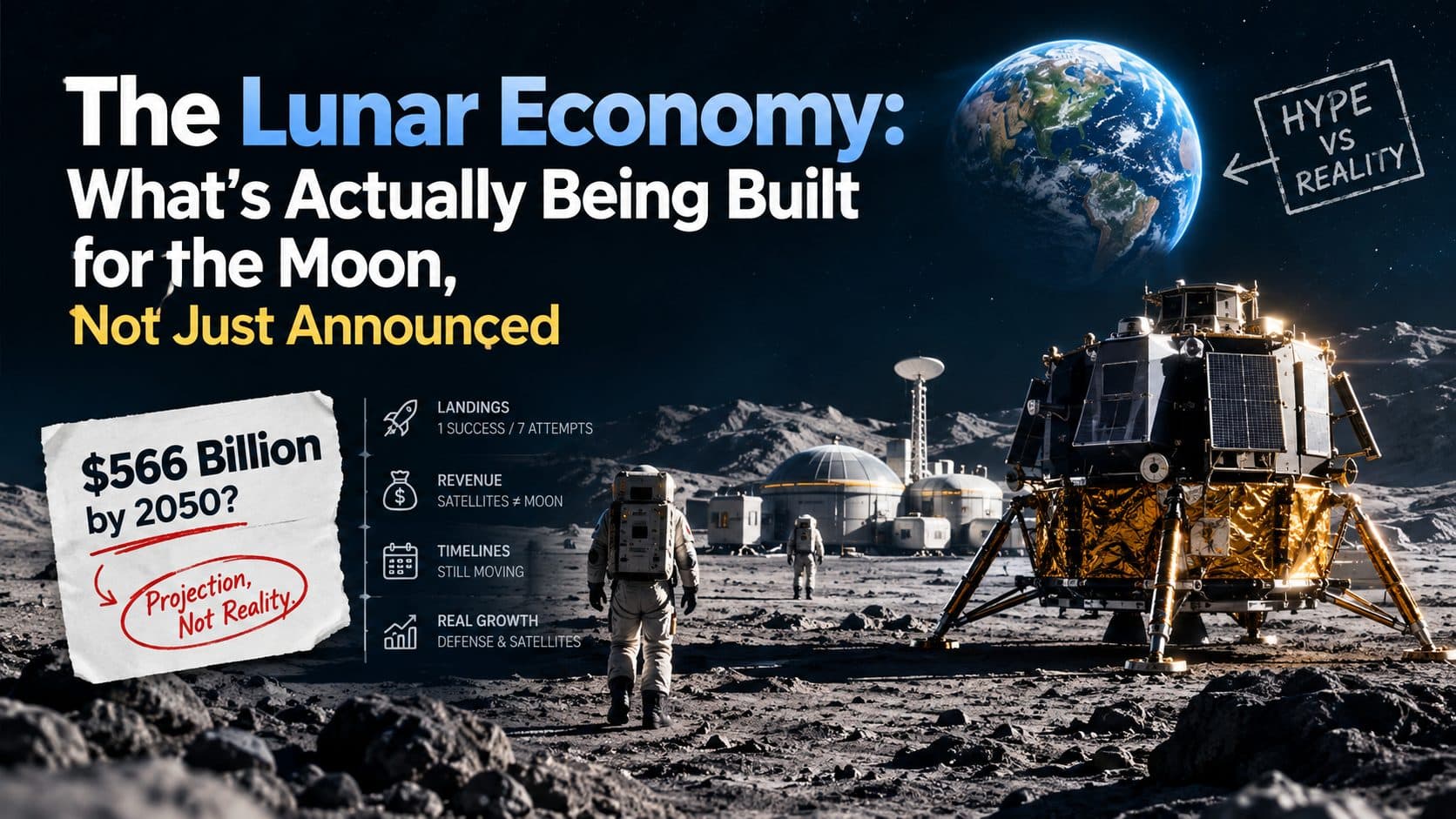
Deloitte's $566 billion lunar economy is a 2050 projection. What's actually happening in 2026 is one full landing success in seven attempts, a cancelled NASA contract, and revenue growth driven by defense and satellites.
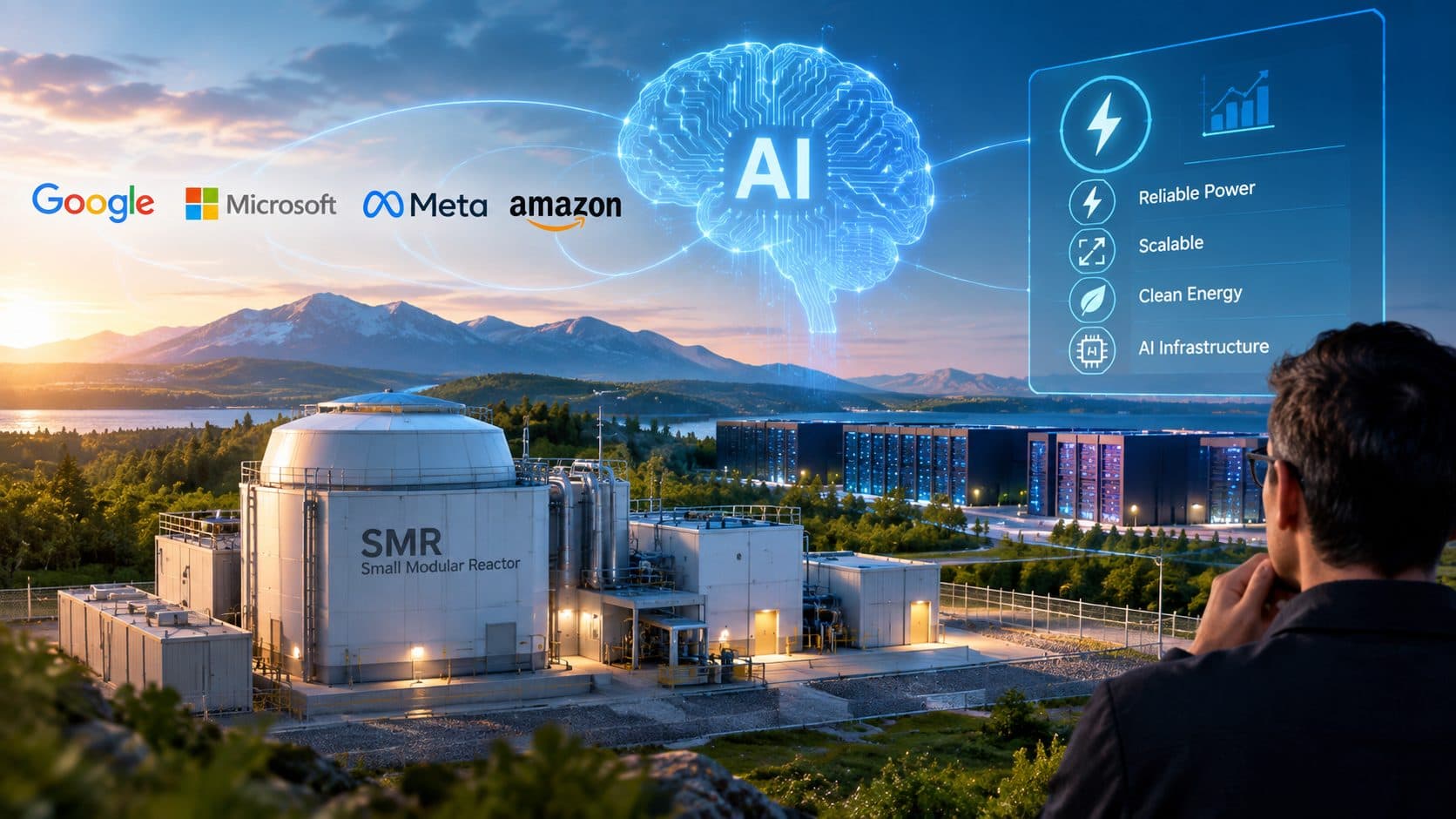
Small modular reactor deals are a rounding error next to data center spending, and the one flagship project under construction won't generate power until 2030 at the earliest.
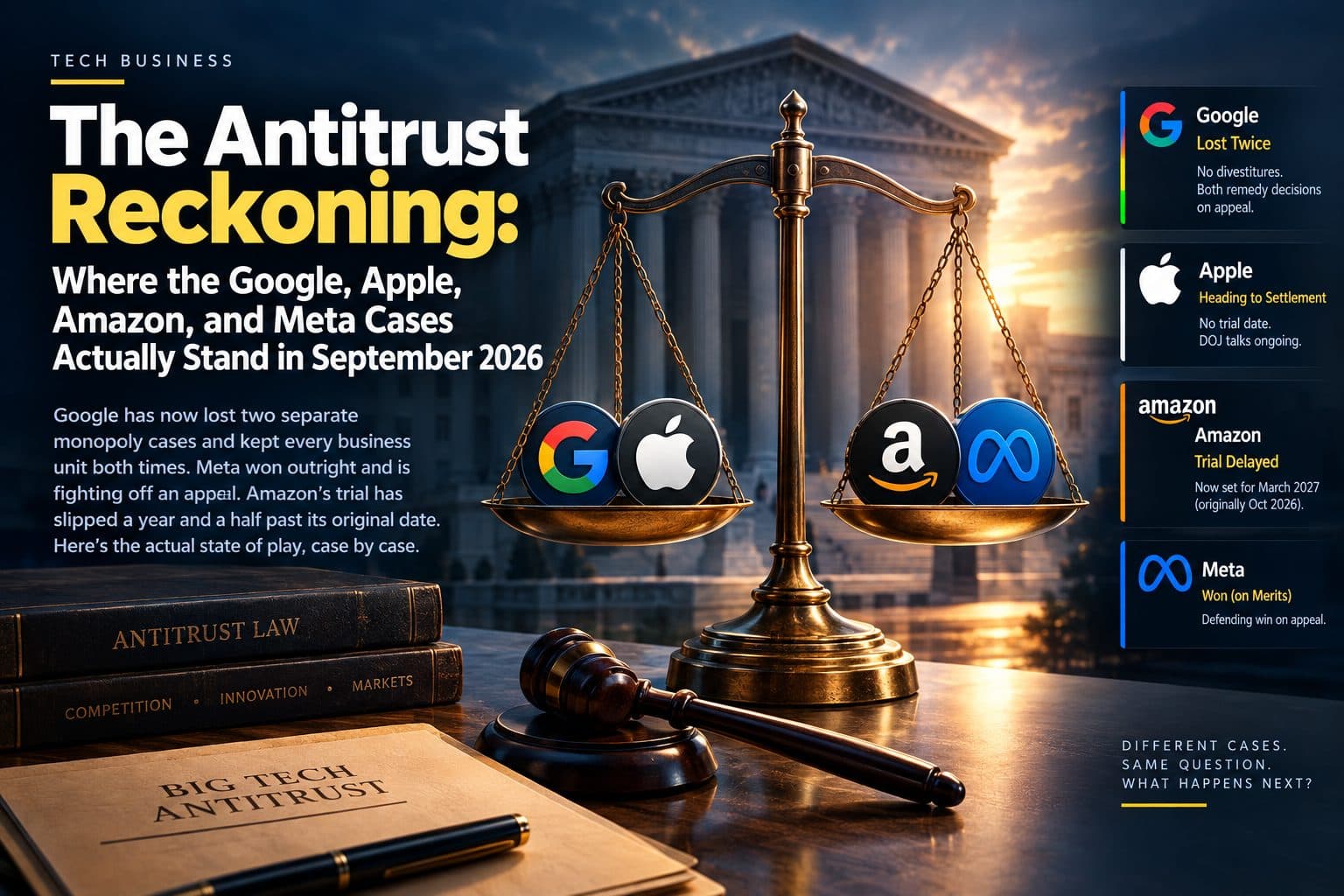
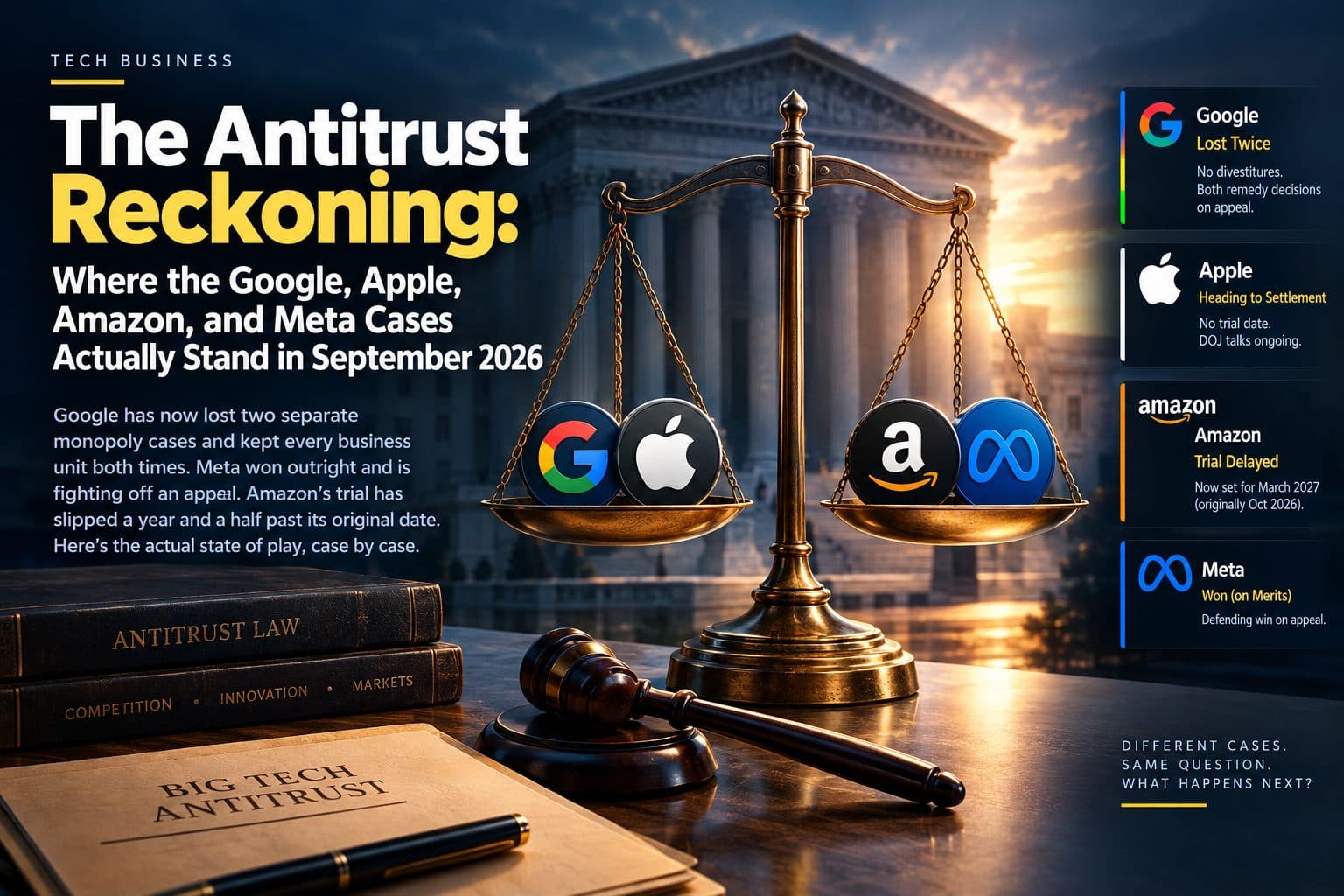
Google has lost twice, Meta won, Apple may settle, and Amazon's trial keeps sliding. Here's where the Google, Apple, Amazon, and Meta cases actually stand.

Boards brought founders back at Workday, Hootsuite, and Bumble for AI-era leadership. The five-year stock data tells a more complicated story than that.
Amazon, Microsoft, Google, and Meta are building their own gas and nuclear plants for AI data centers — because grid connections now take five to eight years.
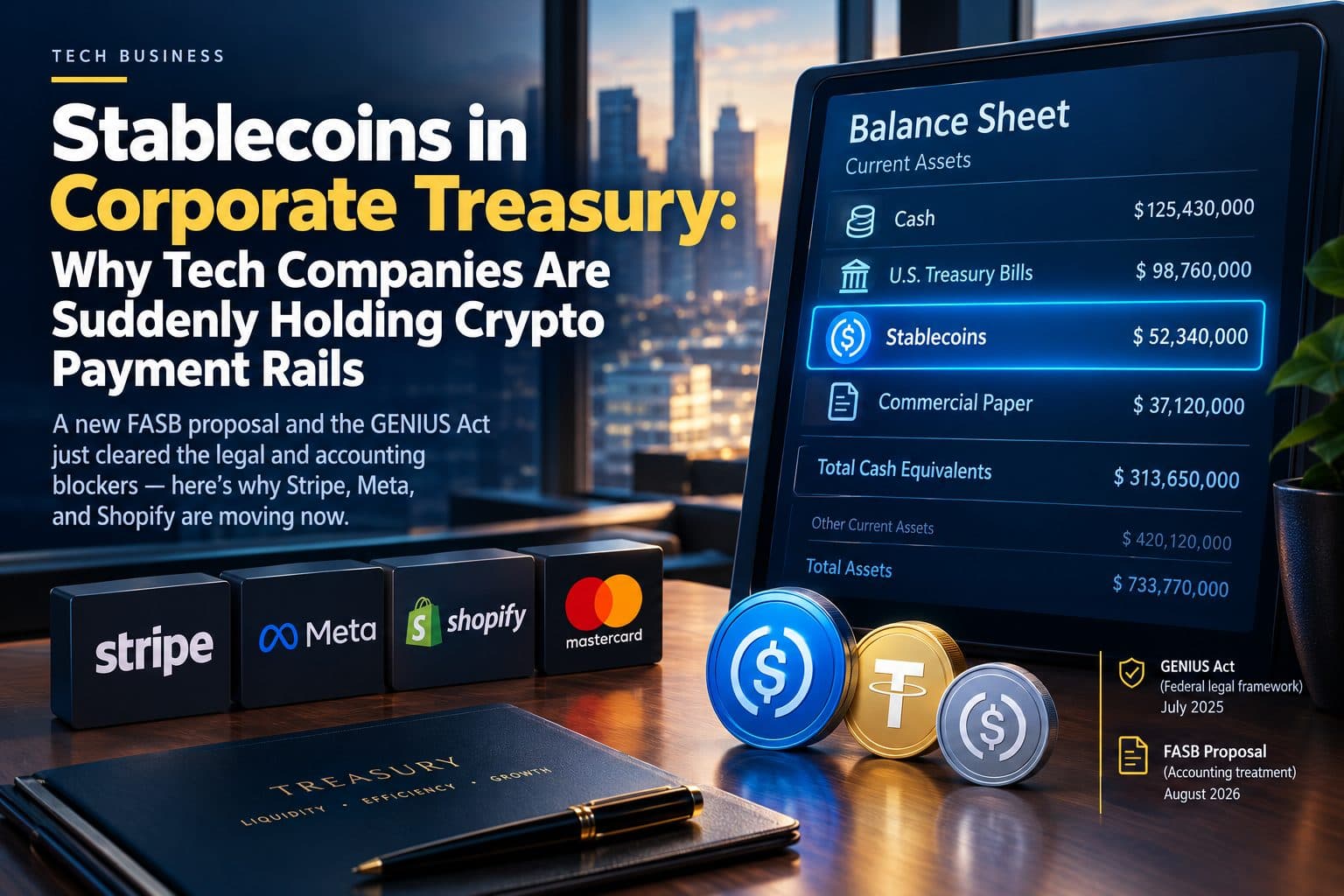
New FASB accounting rules and the GENIUS Act cleared the two biggest blockers to corporate stablecoin use. Here's why Stripe, Meta, and Mastercard moved fast.
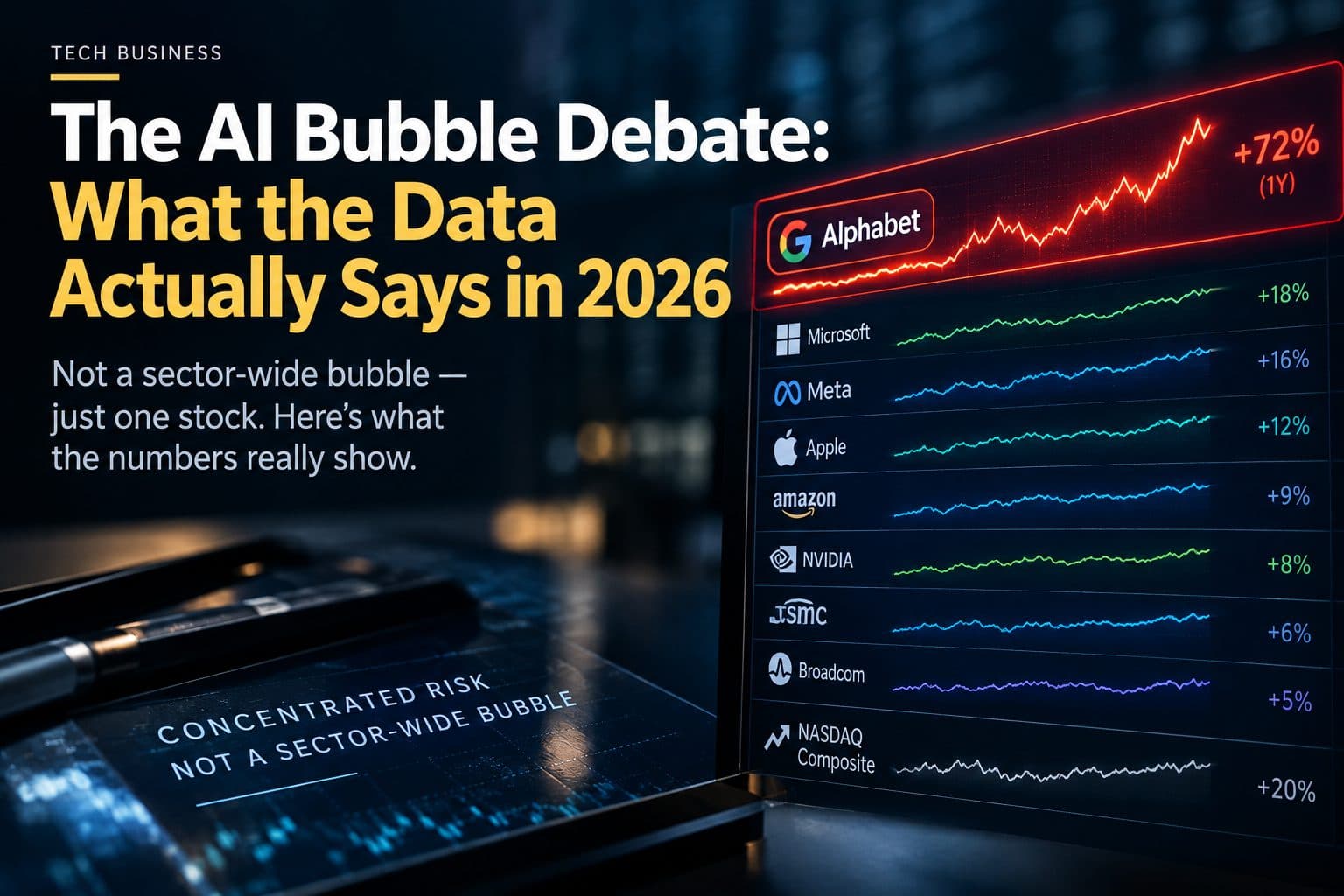
A new statistical model doesn't ask "is AI a bubble" — it finds Alphabet specifically shows bubble-like exuberance while the sector overall doesn't.
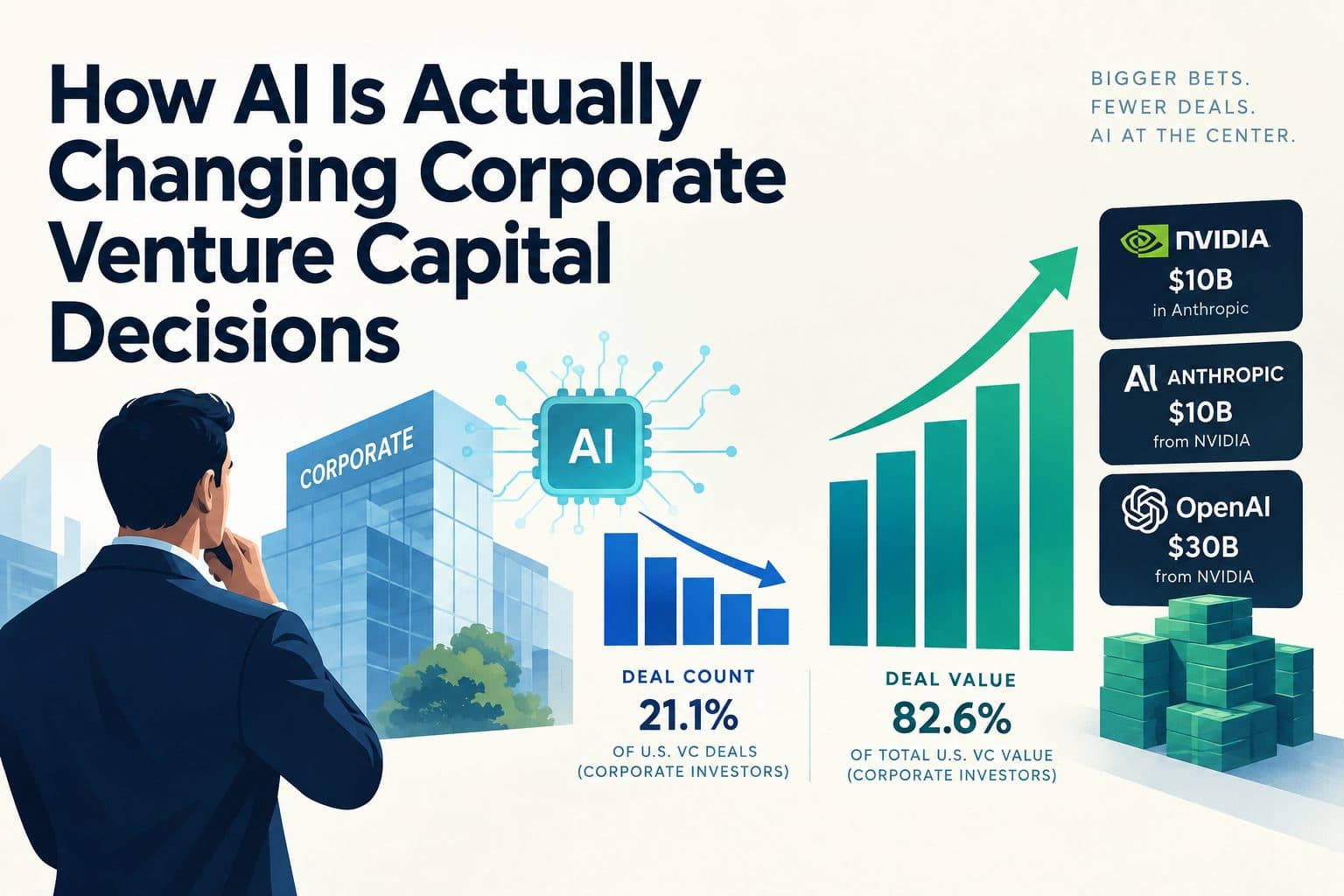
Corporate VCs made fewer deals in 2026 but wrote far bigger checks — 82.6% of all U.S. venture dollars. Here's how AI exposure is driving the shift.
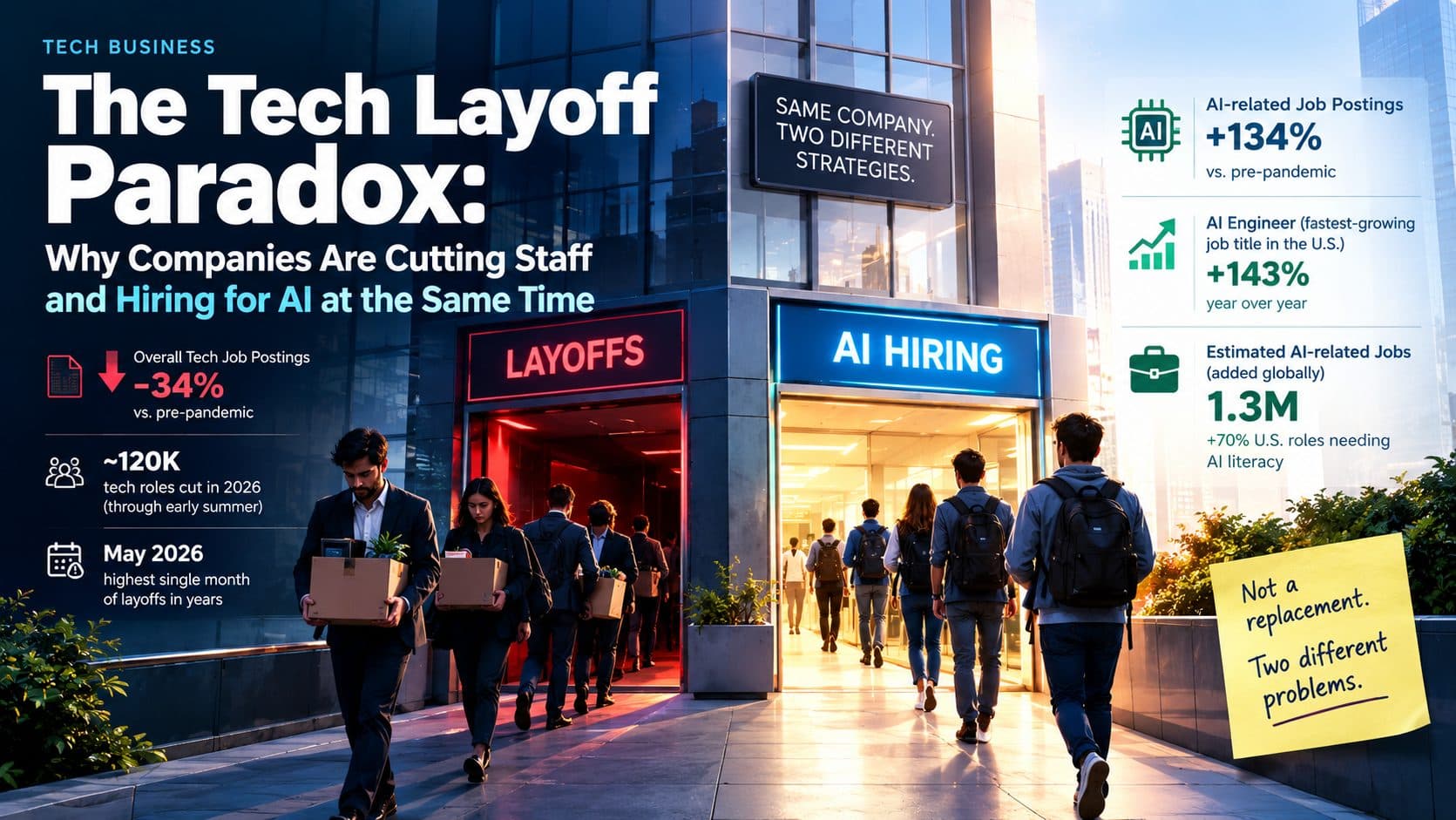
Companies are cutting broad headcount while aggressively hiring for AI roles. Data shows these are two separate trends, not direct substitution.