Gadgets & Devices
Snapdragon, MediaTek, Exynos: Reading Chip Claims
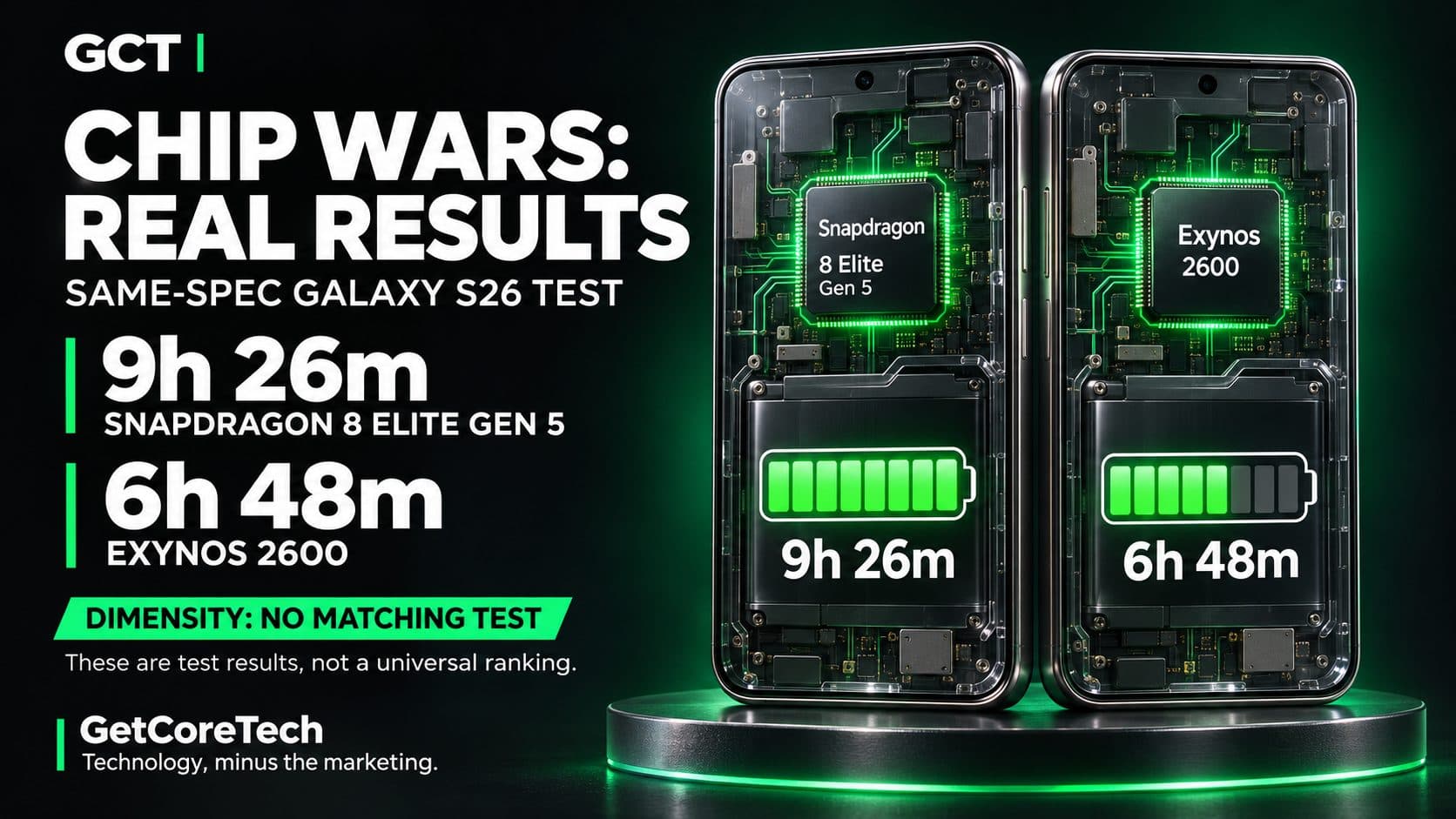
No independent test ranks the three chip families on one measure. Here is where each claim sits on a maturity ladder, and how to check a phone before the chip name sways you.

Ahsan writes about Gadgets & Devices and Future Tech for GetCoreTech. He tracks each technology from lab bench to store shelf and says plainly where it stands today, from robotaxis and eVTOLs to on-device AI. He separates maker claims from independent measurements. [Add one real credential or role, if any.]
Ahsan writes about Gadgets & Devices and Future Tech for GetCoreTech. His approach is to follow every technology along one road, from the lab bench to the store shelf, and to say exactly where it stands today.
In Future Tech, he covers autonomous vehicles, perovskite solar cells, eVTOL air taxis, direct air capture and neuromorphic chips. He places each claim on a maturity scale, from theoretical through lab demonstration, replicated and piloted, to deployed at scale, and he doesn’t write “will” about anything that hasn’t at least been piloted.
In Gadgets & Devices, he covers what spec sheets leave out, including on-device AI in phones and laptops. He distinguishes a maker’s rating from an independent measurement and states the conditions of each.
No independent test ranks the three chip families on one measure. Here is where each claim sits on a maturity ladder, and how to check a phone before the chip name sways you.
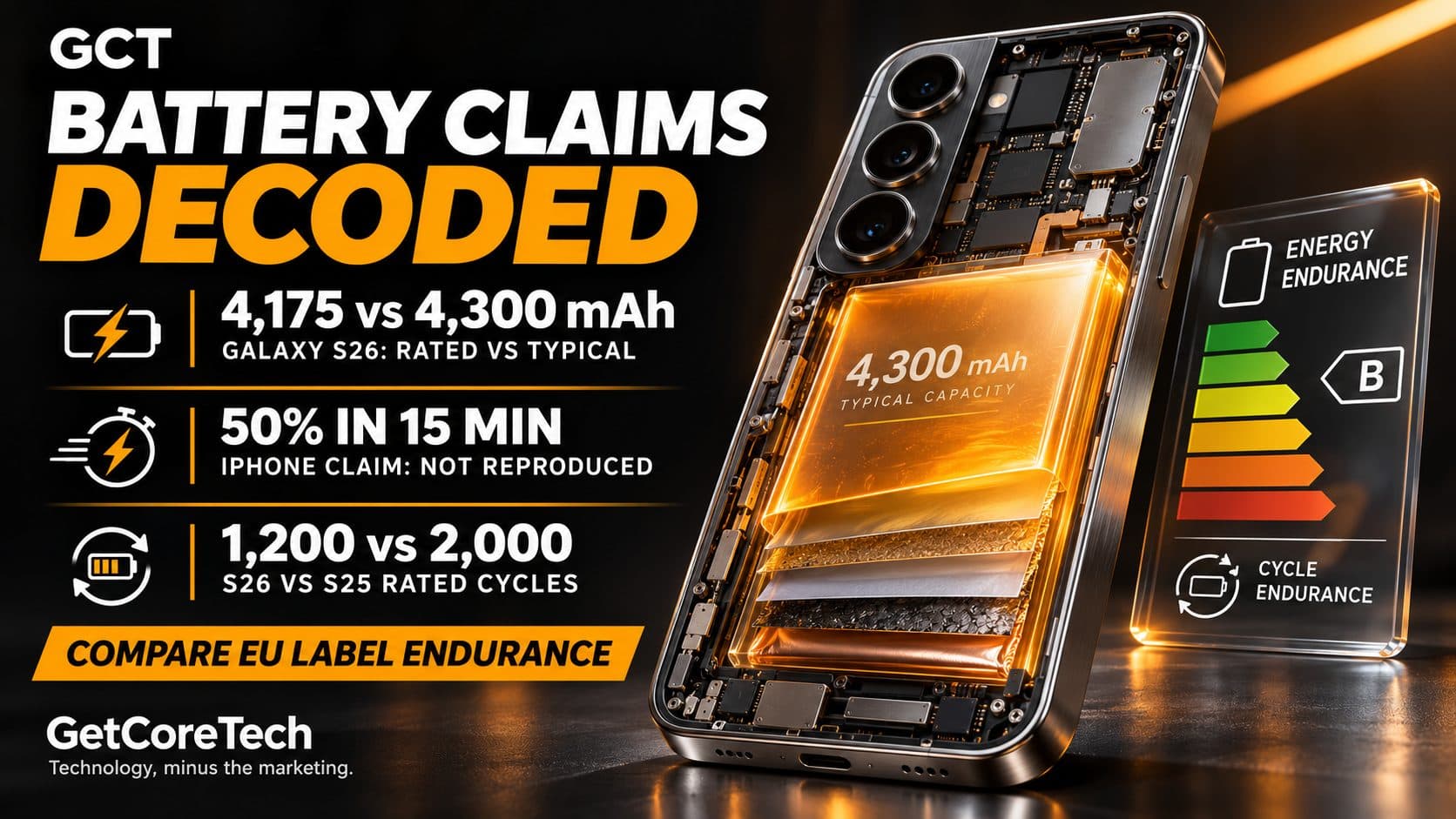
Capacity, charging speed and cycle life each describe a maker's test, not your day. Here is where each battery claim sits on a maturity ladder, and which number you can actually compare across phones.
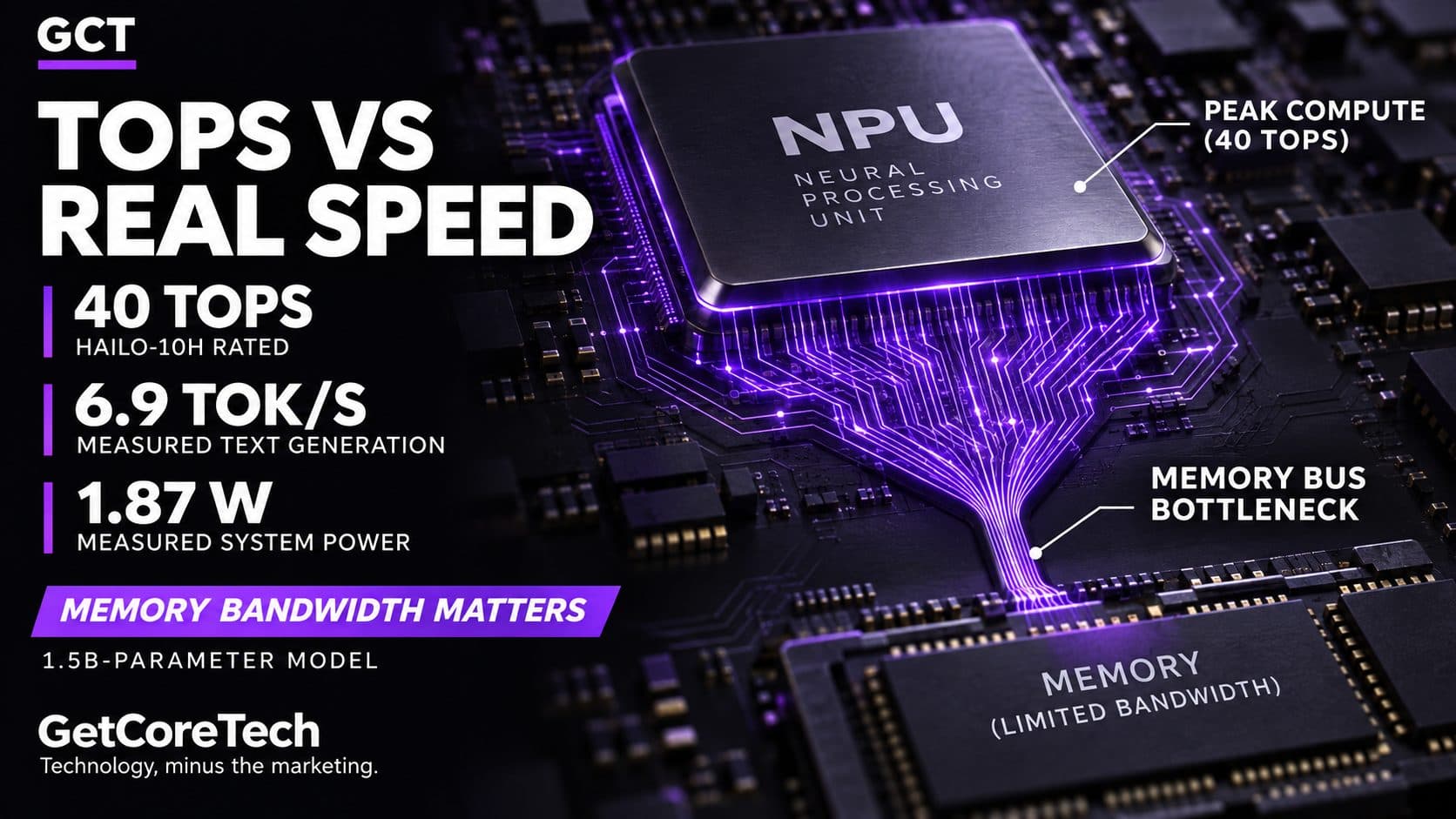
A TOPS rating is a peak INT8 figure, not a speed. Three studies disagree on where an NPU helps text generation, and memory bandwidth sets the pace. Here is where each NPU claim sits on a maturity ladder.